IFTA Tax Filing
by Federal Applications Processor  ·  Hoffenmer
(240) 544-0960 IFTA Filing Hotline
What Is IFTA

The fuel tax filing every trucker needs.

If the truck is over 26,000 lbs. and crosses into another state, the law requires reporting how much fuel was used in each state — four times a year. That’s IFTA. It’s not optional.

The Simple Version

One license. Four filings a year.

Before IFTA existed, truckers had to file fuel taxes in every single state they drove through. That meant dozens of separate filings every year. IFTA fixed that.

Now it works like this: register once with the home state, get an IFTA license and two stickers for the truck, and file one report four times a year. That one report covers all 48 states and 10 Canadian provinces. The states handle splitting up the money between themselves.

The filing is due four times a year: April 30, July 31, October 31, and January 31. Miss a deadline and the base state starts adding penalties and interest.

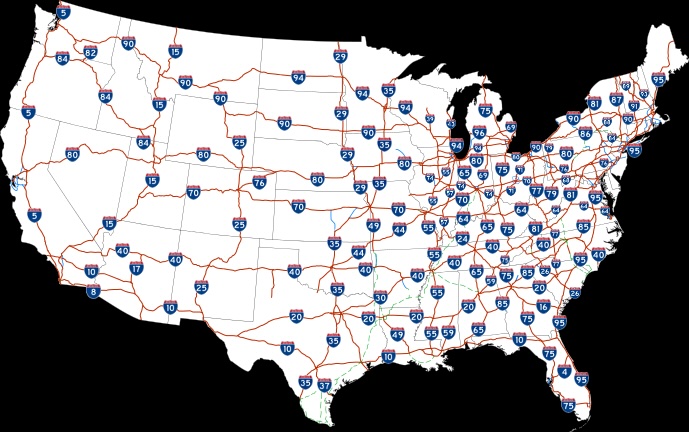
U.S. Interstate highway map showing all IFTA member states
Coverage
One license.
All of them.

48 U.S. states and 10 Canadian provinces are all covered under a single IFTA license. One filing per quarter handles every jurisdiction driven through.

U.S. States
Canadian
Provinces
4
Filings
Per Year
Does It Apply

Three types of trucks that must file.

Over 26,000 lbs. GVWR and crosses state lines. This covers the vast majority of semi-trucks, heavy-duty pickups pulling commercial loads, and any rig that crosses a state line hauling freight.

Three or more axles — regardless of weight. Even if the truck is lighter, three axles means IFTA applies the moment it enters another state.

Combination vehicles over 26,000 lbs. Truck and trailer together exceeding the weight limit while operating interstate.

Staying entirely within one state? IFTA doesn’t apply. The moment the truck crosses into another state, the clock starts.
What Gets Filed

Miles by state. Fuel by state.

Each quarter, the filing reports two things per state: how many miles were driven there, and how many gallons of fuel were bought there. That’s it. From those two numbers, the state calculates whether fuel tax is owed or a credit is due.

If more fuel was bought in a state than was consumed there, the carrier gets a credit. If less was bought than consumed, tax is owed to that state. The base state collects it all and distributes it.

Fuel receipts and mileage logs need to be kept. States can audit up to four years back. Missing records at an audit means owing taxes even if the fuel was legitimately purchased.

Late Filing Penalty
Miss a quarterly deadline and the base state assesses penalties and interest immediately. A delinquent account cannot be renewed at year end until all past-due quarters are filed and any balances are paid.
Free quarterly filings included with every new IFTA license and annual renewal. All remaining quarters of the calendar year covered at no extra cost. Data must come in at least 5 days before each deadline.
$0

Questions? Just call.

A specialist explains everything and handles the filing on the spot. No forms to figure out.

(240) 544-0960
or
File the application online →